


Breaking the Silence: Overcoming the Stigma Around Seeking Therapy
Mental health challenges affect millions of people worldwide, yet many hesitate to seek therapy due to stigma. This silence can deepen struggles and delay healing. Understanding the roots of this stigma and learning how to overcome it can open doors to support and recovery. This post explores why stigma exists, how it impacts individuals, and practical ways to break free from it.
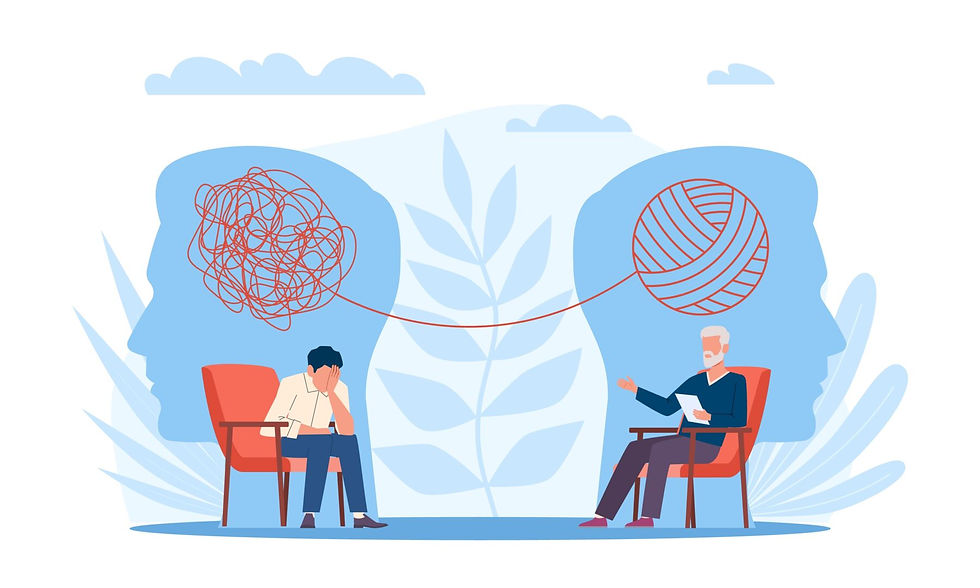
Why Stigma Around Therapy Persists
Stigma around seeking therapy often comes from misconceptions and cultural beliefs. Many people view therapy as a sign of weakness or failure. This belief can be traced back to outdated ideas that mental health problems are personal flaws rather than medical conditions.
In some communities, mental health issues are taboo topics. People fear judgment or rejection if they admit to struggling emotionally. This fear leads to silence and isolation. Media portrayals sometimes reinforce stereotypes by showing therapy as only for “extreme” cases or associating it with negative labels.
Another factor is lack of education. Without clear information about what therapy involves and how it helps, people may feel uncertain or suspicious. They might worry about confidentiality or fear being labeled “crazy.” These concerns create barriers to reaching out for help.
How Stigma Affects People Seeking Help
The stigma around therapy can have serious consequences. People may delay or avoid seeking treatment, which can worsen symptoms and reduce quality of life. For example, someone with depression might suffer longer without support, increasing the risk of complications.
Stigma can also affect self-esteem. When people internalize negative messages about therapy, they may feel ashamed or guilty for needing help. This shame can prevent honest conversations with friends, family, or healthcare providers.
Workplaces and schools may contribute to stigma by lacking mental health resources or discouraging open discussions. This environment makes it harder for individuals to ask for accommodations or support.
Practical Steps to Overcome Therapy Stigma
Changing attitudes about therapy requires effort from individuals and communities. Here are some ways to break the silence and encourage seeking help:
1. Educate Yourself and Others
Learn about mental health and therapy from reliable sources. Share facts that dispel myths, such as therapy being a sign of strength and a tool for growth. Education helps normalize mental health care.
2. Speak Openly About Mental Health
Talking about your own experiences or supporting others who do can reduce stigma. When people hear honest stories, they realize they are not alone. This openness creates a culture of acceptance.
3. Challenge Negative Language
Avoid using terms that shame or label people who seek therapy. Instead, use respectful language that emphasizes health and well-being. For example, say “mental health care” rather than “crazy treatment.”
4. Support Access to Therapy
Encourage workplaces, schools, and communities to provide mental health resources. When therapy is accessible and affordable, more people can benefit without fear or hesitation.
5. Seek Therapy as a Positive Choice
View therapy as a proactive step toward self-care, not a last resort. Many people use therapy to manage stress, improve relationships, or develop skills, not only to treat illness.
Real-Life Examples of Breaking Stigma
Several public figures and organizations have helped change perceptions by sharing their mental health journeys. For instance, athletes and actors openly discussing therapy have inspired fans to seek help without shame.
Community programs that offer free or low-cost counseling also reduce barriers. These initiatives show that therapy is for everyone, regardless of background or income.
In workplaces, some companies have introduced mental health days and confidential counseling services. These policies signal that mental health is valued and supported.
What You Can Do Today
If you hesitate to seek therapy, remember that many people face similar feelings. Taking the first step can be challenging but rewarding. Consider these actions:
Research therapists or counseling options in your area
Talk to someone you trust about your feelings
Write down your thoughts and goals for therapy
Remind yourself that seeking help is a sign of courage
If you support someone else, listen without judgment and encourage them gently. Sometimes, knowing someone cares makes all the difference.


Comments